Introduction: Why Emotional Well-Being Matters in Later Life
As people grow older, emotional well-being becomes just as important as physical health. Many seniors experience significant life changes such as retirement, children moving out, or the loss of a long-time partner. These transitions can sometimes bring feelings of loneliness or a sense that life has become ...more
Reaching the age of seventy is a remarkable stage of life. It often comes with a deeper understanding of personal priorities, greater emotional balance, and the freedom to focus on health and well-being. While aging brings natural changes to the body and mind, daily habits play a powerful role in maintaining vitality and independence.
A thoughtful daily routine doe...more
Aging brings many changes to the body. Metabolism slows, muscle mass gradually declines, and the body may absorb nutrients less efficiently than before. Because of these changes, daily nutrition becomes even more important in later life. The foods eaten every day can influence energy levels, brain health, digestion, and the strength of bones and muscles.
Many older...more
Aging brings wisdom, experience, and often a new awareness of health. As the body grows older, metabolism slows, digestion changes, and the ability to process certain foods may decline. Many older adults discover that foods they once enjoyed regularly now cause fatigue, digestive discomfort, or fluctuations in blood pressure and blood sugar.
Nutrition becomes espec...more
As men reach their sixties, the landscape of intimacy often transforms. Life experience, shifting health, and the evolving emotional world all contribute to how a man expresses and experiences connection. While the cultural conversation around intimacy often focuses on youth or physical attraction, older men approach closeness with a combination of emotional depth, ...more
Love is often portrayed as something that belongs to youth—an experience tied to early adulthood, first relationships, and the excitement of discovering another person. Yet human emotions do not follow an expiration date. A man in his 70s can absolutely fall in love, and the emotional depth at this stage of life can be remarkably rich.
Later-life romance is d...more
Finding a romantic partner later in life can feel complicated, but it is far from impossible. Many people in their 60s begin a new chapter after retirement, divorce, or the loss of a spouse. During this stage, priorities often shift. Emotional stability, companionship, and shared values tend to matter more than appearance or social status.
Still, dating in your 60s...more
Attraction is often portrayed through a narrow lens that focuses on youth and physical perfection. Popular culture frequently reinforces the idea that beauty fades with time and that romantic interest is primarily directed toward younger individuals. Yet real life is far more nuanced. Human attraction involves emotional depth, intellectual connection, shared values,...more
Dating after 50 is different — not harder, just different.
Many mature singles quietly struggle with questions like:
“How do I start dating again after divorce or widowhood?”“Are online dating sites safe for seniors?”“Where can I meet real singles my age locally?”“What are the red flags I should watch for?”The tr...more
Turning 50 doesn’t mean your desire for companionship disappears. In fact, for many people, it becomes clearer than ever. You know who you are. You understand what truly matters in a relationship. And you’re no longer interested in wasting time.
Yet dating after 50 can feel overwhelming.
Many mature singles face the same frustrations:
Dating apps filled...more
 Introduction: Why Emotional Well-Being Matters in Later Life As people grow older, emotional well-being becomes just as important as physical health. Many seniors experience significant life changes such as retirement, children moving out, or the loss of a long-time partner. These transitions can sometimes bring feelings of loneliness or a sense that life has become ... more
 Reaching the age of seventy is a remarkable stage of life. It often comes with a deeper understanding of personal priorities, greater emotional balance, and the freedom to focus on health and well-being. While aging brings natural changes to the body and mind, daily habits play a powerful role in maintaining vitality and independence. A thoughtful daily routine doe... more
 Aging brings many changes to the body. Metabolism slows, muscle mass gradually declines, and the body may absorb nutrients less efficiently than before. Because of these changes, daily nutrition becomes even more important in later life. The foods eaten every day can influence energy levels, brain health, digestion, and the strength of bones and muscles. Many older... more
 Aging brings wisdom, experience, and often a new awareness of health. As the body grows older, metabolism slows, digestion changes, and the ability to process certain foods may decline. Many older adults discover that foods they once enjoyed regularly now cause fatigue, digestive discomfort, or fluctuations in blood pressure and blood sugar. Nutrition becomes espec... more
 As men reach their sixties, the landscape of intimacy often transforms. Life experience, shifting health, and the evolving emotional world all contribute to how a man expresses and experiences connection. While the cultural conversation around intimacy often focuses on youth or physical attraction, older men approach closeness with a combination of emotional depth, ... more
 Love is often portrayed as something that belongs to youth—an experience tied to early adulthood, first relationships, and the excitement of discovering another person. Yet human emotions do not follow an expiration date. A man in his 70s can absolutely fall in love, and the emotional depth at this stage of life can be remarkably rich. Later-life romance is d... more
 Finding a romantic partner later in life can feel complicated, but it is far from impossible. Many people in their 60s begin a new chapter after retirement, divorce, or the loss of a spouse. During this stage, priorities often shift. Emotional stability, companionship, and shared values tend to matter more than appearance or social status. Still, dating in your 60s... more
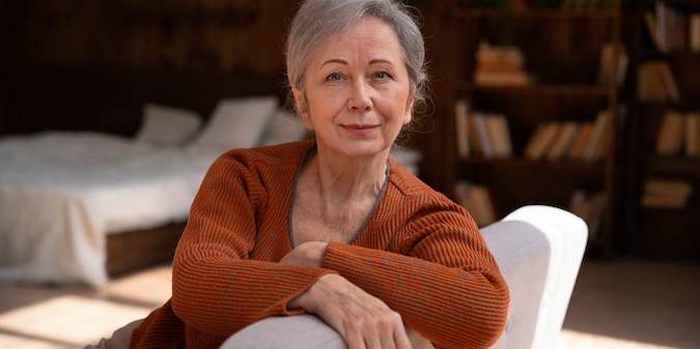 Attraction is often portrayed through a narrow lens that focuses on youth and physical perfection. Popular culture frequently reinforces the idea that beauty fades with time and that romantic interest is primarily directed toward younger individuals. Yet real life is far more nuanced. Human attraction involves emotional depth, intellectual connection, shared values,... more
 Dating after 50 is different — not harder, just different. Many mature singles quietly struggle with questions like: “How do I start dating again after divorce or widowhood?”“Are online dating sites safe for seniors?”“Where can I meet real singles my age locally?”“What are the red flags I should watch for?”The tr... more
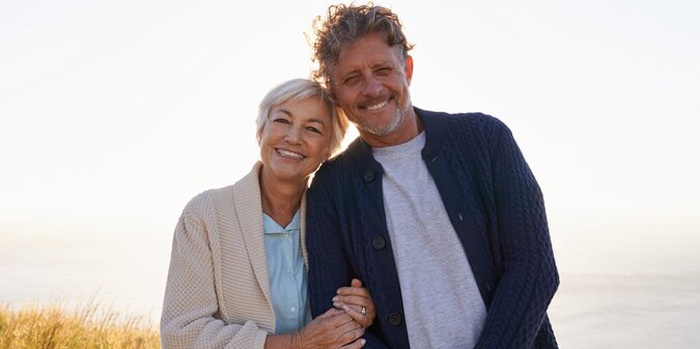 Turning 50 doesn’t mean your desire for companionship disappears. In fact, for many people, it becomes clearer than ever. You know who you are. You understand what truly matters in a relationship. And you’re no longer interested in wasting time. Yet dating after 50 can feel overwhelming. Many mature singles face the same frustrations: Dating apps filled... more