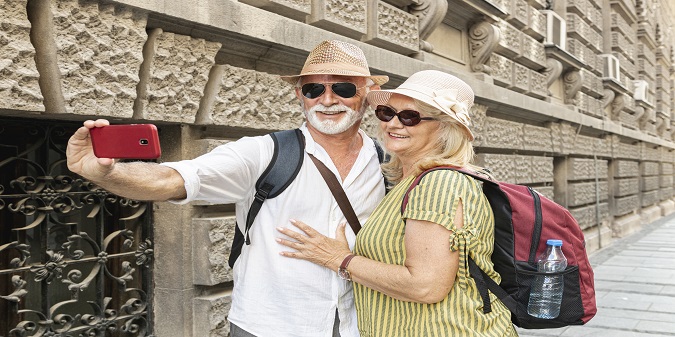
Fitness after 50 is not only about lifting heavier weights, running farther, or trying to look younger. For many adults, it is a way to feel stronger, maintain confidence, explore new interests, and remain connected to the world around them.
An active lifestyle can take many forms. Some people enjoy strength training at a gym, while others prefer walking, swimming, cycling, yoga, hiking, dancing, or working in the garden. The best activity is not necessarily the most demanding one. It is the activity that fits your lifestyle and gives you a reason to keep moving.
Fitness can also be social. A walking route, exercise class, hiking trail, or local recreation group can become a place to share experiences and meet people with similar interests. For adults over 50, an active lifestyle may create opportunities for friendship, companionship, and even romance.
Fitness After 50 Is About More Than Appearance
Physical changes are a natural part of getting older, but fitness does not need to be defined by age or appearance. Staying active can support everyday activities such as carrying groceries, climbing stairs, traveling, playing with grandchildren, or enjoying a full day outside.
An exercise routine can also bring structure to the week. Setting aside time for movement creates a personal commitment and gives people something measurable to work toward. Progress may mean lifting more weight, but it can also mean walking comfortably for longer, feeling steadier, learning a new activity, or simply becoming more consistent.
The U.S. Centers for Disease Control and Prevention recommends that adults 65 and older include aerobic, muscle-strengthening, and balance activities in their weekly routines. The right amount and intensity depend on personal health, ability, and experience, so these guidelines should be treated as a flexible reference rather than a competition.
Finding an Activity That Fits Your Lifestyle
There is no single definition of an active lifestyle. Different activities offer different experiences, and many people combine several of them throughout the week.
Strength Training
Strength training may involve free weights, resistance machines, exercise bands, or body-weight movements. Some adults enjoy the visible progress and personal challenge of bodybuilding, while others focus on maintaining the strength needed for everyday life.
You do not need to train like a competitive bodybuilder to enjoy resistance exercise. Learning good technique, working within your abilities, and building consistency are more useful than comparing your performance with someone else’s.
Walking and Hiking
Walking is accessible, flexible, and easy to combine with social time. It can take place around the neighborhood, in a shopping area, at a park, or on a nature trail.
Hiking adds scenery and a sense of exploration. The distance and terrain can be adjusted to match personal experience. For longer walks or unfamiliar trails, check the weather, carry water, wear suitable footwear, and let someone know where you are going.
Swimming, Cycling, and Group Classes
Swimming and water exercise appeal to people who enjoy movement without spending time in a traditional gym. Cycling can turn exercise into a way to explore a neighborhood or local trail.
Group classes—including yoga, dance, indoor cycling, and low-impact fitness—can provide a regular schedule and a familiar group of people. The social atmosphere often becomes part of the reason participants return.
Active Travel and New Adventures
An active lifestyle can extend beyond planned workouts. Walking tours, national parks, scenic bike routes, recreational sports, and travel that involves exploring on foot can all make movement part of a larger experience.
Adventure does not need to mean an extreme physical challenge. Trying a new trail, taking a dance lesson, visiting a new park, or signing up for a local event can be enough to bring variety and excitement into an established routine.
Strength Can Be a Personal Challenge
Bodybuilding and strength training are sometimes presented as activities for younger people, but personal goals do not come with an expiration date. Adults over 50 may enjoy working toward greater strength, improved technique, or a more confident relationship with their bodies.
The goal does not have to be dramatic transformation. A satisfying fitness journey can be built around smaller achievements: completing another repetition with good form, returning to an activity after time away, trying a new class, or following a routine more consistently.
Starting slowly is not a sign of weakness. It gives the body time to adapt and makes it easier to understand which movements feel comfortable. People managing chronic conditions, previous injuries, balance concerns, or unexplained pain should seek appropriate professional guidance before increasing exercise intensity.
ACTIVE LIFE. GENUINE CONNECTIONS.
Meet People Who Share Your Active Lifestyle
Fitness interests can offer a natural starting point for conversation. A shared enthusiasm for walking, hiking, strength training, travel, dancing, or outdoor activities gives people something real to talk about from the beginning.
SeniorMatch helps adults over 50 meet through shared interests, life experience, and genuine conversation. Whether you are looking for friendship, companionship, dating, or a lasting relationship, you can connect with people who appreciate an active and positive approach to life.
A Shared Interest Could Start a New Conversation
Be honest about the activities you enjoy, the pace that suits you, and the experiences you would like to share with someone new.
Meet Active People on SeniorMatchSeniorMatch is a social and dating platform. It does not provide medical, nutritional, or professional fitness advice.
Fitness Can Make Socializing Feel More Natural
Meeting new people can feel difficult when there is no obvious starting point for conversation. Shared activities remove some of that pressure. People can talk about a class, a walking route, an upcoming trip, or a personal goal instead of trying to create a connection from nothing.
Activity-based socializing can also be more comfortable than a formal meeting. A walk, casual bike ride, dance class, or visit to a local park provides something to do while two people get to know each other.
Shared interest does not require identical ability. One person may enjoy challenging hikes, while another prefers relaxed neighborhood walks. What matters is respecting each other’s pace, limitations, and reasons for staying active.
Stay Motivated Without Comparing Yourself
Fitness culture often emphasizes transformation photographs, personal records, and dramatic results. Those images can be motivating, but they can also make ordinary progress seem unimportant.
Your routine does not need to resemble someone else’s. A useful goal should reflect your current life, not the abilities you had years ago or the performance of someone you follow online.
Progress after 50 might mean:
- Feeling more confident during everyday activities
- Developing a routine you genuinely enjoy
- Exploring a new walking route or activity
- Returning to movement after a long break
- Meeting people who encourage an active lifestyle
- Having more energy for travel, hobbies, and social plans
Motivation is easier to maintain when the activity itself feels rewarding. Choose movement that leaves you interested in returning rather than a routine selected only because it appears impressive.
Make Safety Part of the Adventure
An active lifestyle should support your life rather than make you feel pressured to ignore discomfort or personal limitations. Increase the difficulty of activities gradually and allow time for rest and recovery.
If you are beginning again after a long break, managing a health condition, recovering from an injury, or unsure which activities are suitable, speak with a qualified healthcare or fitness professional.
Stop exercising and seek appropriate medical help if you experience chest pain, faintness, severe shortness of breath, or sudden and unusual pain. General online information cannot replace advice based on your personal health history.
An Active Life Can Keep Opening New Doors
Fitness after 50 is not about proving that age does not matter. It is about finding ways to keep participating in the life you want—whether that means becoming stronger, spending more time outdoors, traveling with confidence, trying a new activity, or meeting people who share your interests.
You do not need to become a bodybuilder or an endurance athlete to identify as an active person. Begin with something that suits your life, remain open to new experiences, and allow your interests to connect you with other people.
A workout may begin as a personal goal. Over time, it can also become a new routine, a new adventure, or the start of a meaningful conversation.