How to Face Love and Companionship After Divorce or Loss at 50+
Aug 20, 2025
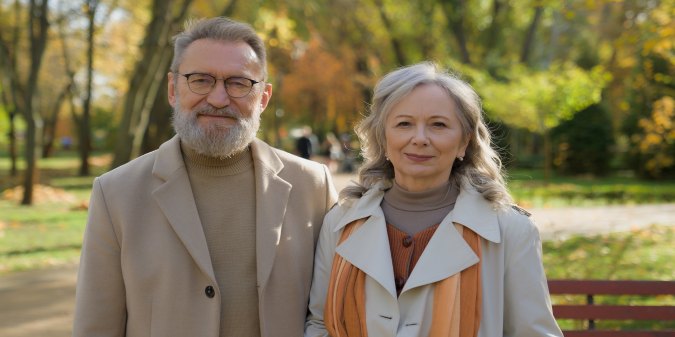
Divorce and widowhood are some of the most difficult transitions in life. For seniors over 50, these events can feel especially overwhelming, as they not only mark the end of a relationship but also challenge one’s sense of identity, purpose, and companionship. Many older adults wonder: “Can I find love after losing a spouse?” or “Is dating after divorce in later life even possible?” The truth is, yes—love, intimacy, and companionship remain possible at every age. With the right mindset, healing, and practical steps, seniors can rediscover joy and meaningful connection.
According to Pew Research Center, nearly 30% of adults over 50 in the U.S. are single, and a significant share express interest in finding companionship again. At the same time, AARP surveys reveal that older adults who actively seek new relationships often report higher life satisfaction and lower rates of loneliness. This article explores how to face love and companionship after divorce or loss, with emotional support, senior dating advice, and practical tools to begin again.
The Importance of Emotional Healing for Seniors
Healing from divorce or widowhood takes time. Emotional recovery is the first step before considering dating after losing a spouse or beginning a new relationship after divorce. Grief may come in waves, and it is essential to allow yourself space to process these emotions.
Many seniors feel pressured to “move on quickly,” but rushing can lead to unresolved sadness or guilt. Instead, focus on emotional healing for seniors by talking to a therapist, joining grief support groups, or leaning on close family and friends. According to the CDC, older adults who actively address emotional wellness are less likely to suffer from depression and anxiety.
Taking care of your mental health sets a strong foundation for any future companionship. Before asking, “How to start dating again after divorce or loss?” the first question should be: “Have I given myself the time to heal?”
Rebuilding Identity and Daily Life After Loss
Divorce and widowhood can change more than just relationship status—they reshape daily routines and self-identity. Many seniors find themselves asking: “Who am I without my partner?” This period, while difficult, can also be an opportunity for rediscovery.
Practical steps include:
- Pursue new hobbies or revisit old ones such as painting, gardening, or dancing.
- Engage in community activities like local senior centers, book clubs, or volunteer work.
- Invest in health and fitness through walking groups, yoga, or swimming.
AARP research indicates that seniors who engage in meaningful activities after major life changes report better well-being and stronger social connections. By enriching your own life, you create a sense of fulfillment that makes dating after divorce in later life or companionship after widowhood feel like an addition—not a replacement—for happiness.
How to Start Dating Again After Divorce or Loss
For many seniors, the idea of re-entering the dating world feels intimidating. Technology has changed the landscape, and online dating platforms are now a major way people connect. Websites such as SilverSingles, and SeniorMatch cater specifically to those over 50.
When approaching dating after losing a spouse or dating after divorce in later life, it’s normal to feel nervous. Start slowly:
- Begin with casual conversations online.
- Share your story honestly but at your own pace.
- Focus on building friendship before romance.
Pew Research found that about 19% of adults aged 50–64 have tried online dating, and success rates are growing as seniors embrace digital tools. Love after 50 is not only possible—it is becoming more common.
Overcoming Fear, Loneliness, and Social Stigma
One of the biggest obstacles for seniors considering companionship after loss is fear: fear of rejection, fear of being judged, and fear of loneliness. Questions like “Am I too old to date again?” often arise.
The truth is that social attitudes are changing. Senior dating advice now emphasizes that age is not a barrier to love but an asset. With maturity comes emotional stability, wisdom, and clarity about what one truly values in a partner.
Research from the National Institute on Aging shows that meaningful relationships in later life contribute to lower stress levels, reduced risk of chronic illness, and even longer lifespan. Far from being unusual, finding companionship after widowhood or divorce is a path to healthier, happier aging.
Practical and Safe Dating Tips for Seniors
While love after 50 is rewarding, it is also important to stay safe and practical. Senior dating advice often highlights:
- Online Safety: Beware of scams. Never share financial details early on. Use reputable dating platforms.
- First Meetings: Always meet in public spaces such as coffee shops or restaurants.
- Family Support: Inform a trusted friend or family member about your plans.
AARP warns that romance scams targeting seniors have grown in recent years, with losses amounting to hundreds of millions of dollars annually. Protecting yourself ensures that your journey to companionship remains positive and secure.
Embracing New Love Without Guilt
For widows and widowers, one of the hardest emotional hurdles is guilt—feeling that moving on is a betrayal of a late spouse. It’s important to remember that companionship is not about replacement but about opening a new chapter.
Psychologists emphasize that honoring the past and embracing the future can coexist. Sharing stories of your late partner does not diminish new love—it enriches it by showing the depth of your life experience. Companionship in later life is about building something new, not erasing what came before.
Love after 50 brings hope, laughter, and shared memories yet to be made.
Conclusion
Facing life after divorce or widowhood is never easy, but it is far from the end of your story. With emotional healing, a strong sense of self, safe and open-minded approaches to dating, and the courage to embrace love again, seniors can rediscover joy and companionship.
As AARP research consistently shows, relationships—whether friendships or romance—are vital to healthy aging. So, if you are wondering, “Is it possible to start dating again after loss?” the answer is yes. The next chapter of your love story is waiting.
FAQ
Q1: Is it normal to feel guilty about dating after losing a spouse?
Yes. Guilt is natural, but moving forward doesn’t erase your past—it adds to it.
Q2: How long should I wait before dating again after divorce or widowhood?
There is no set timeline. Healing varies for each individual. The key is feeling emotionally ready.
Q3: Are there safe dating options for seniors?
Yes. Platforms like SeniorMatch is designed for older adults, with built-in safety features.
Q4: Can love after 50 be as fulfilling as younger relationships?
Absolutely. Many seniors find relationships later in life to be more stable, supportive, and deeply meaningful.