Singles in 55 Plus Communities: Dating, Friendship, and Social Life After 50
Living in a 55+ community can offer much more than a quieter neighborhood or access to shared amenities. For single adults over 50, it can create an environment where meeting people feels easier because neighbors are often at similar life stages and may have more flexible schedules, established interests, and a greater willingness to participate in community activities.
That does not mean everyone in a 55+ community is single, socially active, or interested in dating. Communities vary widely. Some have busy calendars, clubs, classes, and regular gatherings. Others are much more private.
For singles in 55 plus communities, the best experience usually comes from balancing three things: building a satisfying life of your own, participating in the community enough to meet people naturally, and remaining open to connection without turning every social activity into a dating opportunity.
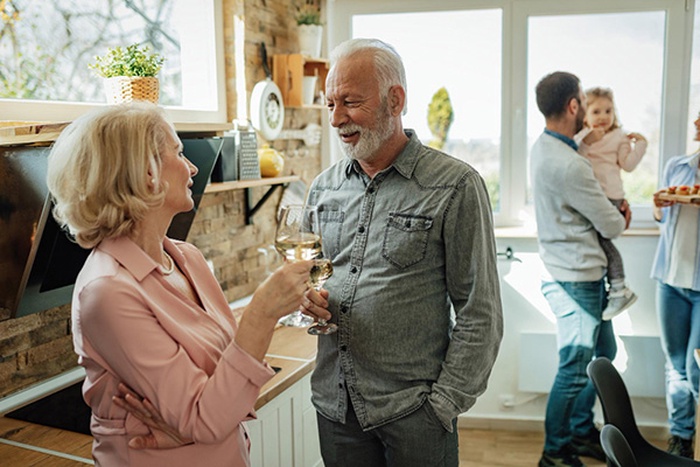
A 55+ Community Can Make Everyday Social Contact Easier
One of the biggest advantages of age-focused communities is repeated contact.
You may see the same people at the pool, fitness center, clubhouse, walking path, mailbox area, or community event.
That familiarity matters.
Friendships often develop because people see each other repeatedly, not because of one perfect introduction.
Small Interactions Can Grow Over Time
A short conversation during a walk may eventually become coffee.
A familiar face at an exercise class may become a regular friend.
Someone you meet at a community dinner may introduce you to another group.
Connection often develops gradually.
That can feel more comfortable than attending a formal singles event where everyone knows why they are there.
Not Every 55+ Community Has the Same Social Culture
The label “55+” tells you very little about the actual atmosphere.
One community may organize activities almost every day.
Another may have beautiful amenities that residents rarely use.
Some communities attract people who want an active social life.
Others appeal more to people who value privacy and quiet.
Pay Attention to Participation, Not Just Amenities
A clubhouse looks impressive in a brochure.
The more important question is whether people actually gather there.
Do residents attend classes?
Are walking groups active?
Do people stay and talk after events?
Are newcomers included?
A socially healthy community feels different from one that simply has facilities.
Clubs Can Be the Easiest Way to Meet Other Singles
Many 55+ communities organize interest-based groups.
These may include book clubs, card groups, golf, pickleball, gardening, photography, walking, crafts, travel, dining, or volunteer activities.
Shared interests make conversation easier.
Choose Activities You Would Enjoy Anyway
Do not join a club only because you think other singles might be there.
If you dislike the activity, your participation will feel forced.
Choose something that genuinely interests you.
That way, even if no romantic connection develops, you still gain something valuable from your time.
Pickleball and Other Social Sports Can Create Regular Contact
Pickleball, tennis, golf, swimming, and walking groups are common in many active adult communities.
These activities naturally create repeated interaction.
You may play with different people, become part of a regular group, and eventually spend time together outside the activity.
Match the Activity to Your Comfort Level
Some groups are highly competitive.
Others are casual.
Ask about pace and experience before joining.
You are more likely to return when the activity feels enjoyable rather than stressful.
Community Dinners Can Help Quieter Singles Connect
Not everyone enjoys sports or large group activities.
Community meals, coffee gatherings, potlucks, and casual social hours can provide a lower-pressure alternative.
Meals give people a natural reason to sit together and talk.
Sit Somewhere New Occasionally
It is easy to find one comfortable group and never move beyond it.
If you want to expand your social circle, occasionally sit with different people.
You do not need to force conversation.
A simple question about the community, food, or an upcoming activity can be enough to begin.
Volunteering Can Build Deeper Connections
Some 55+ communities organize charitable projects, donation drives, neighborhood support programs, or local volunteer activities.
These can be especially useful for singles because people are working together toward a shared goal.
That gives relationships more substance than small talk alone.
Shared Values Can Matter More Than Shared Hobbies
You may discover that another person cares about animals, local schools, veterans, food assistance, or community service.
Those values can reveal a different side of someone.
Friendship and companionship often become stronger when people respect how each other spends time and contributes to the community.
Dating Inside the Community Can Feel Convenient
If two single residents live nearby, dating can be very practical.
There is no long commute.
Spontaneous coffee is easier.
Activities can be shared without complicated planning.
That convenience can make a relationship feel natural.
But it also creates unique social considerations.
Remember That You Will Still Be Neighbors
If a romantic connection does not work, you may continue seeing each other around the community.
That makes respectful communication especially important.
Avoid rushing.
Keep early expectations realistic.
Give both people enough space to decide whether there is genuine compatibility.
A considerate approach can protect both the relationship and the wider social environment.
Privacy Can Feel Different in a Close Community
When neighbors see each other regularly, news can travel quickly.
Some singles may not care.
Others may prefer keeping a new relationship private for a while.
You Do Not Owe Everyone an Update
You can attend activities together without immediately defining the relationship publicly.
Allow trust to develop.
If friends ask questions, you can simply say that you are getting to know each other.
Later-life dating does not need an audience.
Couples Can Still Be an Important Part of Your Social Network
Single residents sometimes assume that community activities dominated by couples will not be useful socially.
That can be a mistake.
Couples can become good friends.
They may also introduce you to other people.
Build a Broad Social Circle
A healthy social life should not depend entirely on meeting other singles.
Friendships with neighbors of different relationship statuses can make the community feel richer.
A broad network also reduces pressure on dating.
You are less likely to expect one romantic partner to provide all of your companionship.
Living Alone Does Not Mean You Have to Feel Isolated
Some people choose a 55+ community after divorce, widowhood, retirement, or moving closer to family.
Living alone may feel peaceful.
But too much time without meaningful contact can make the week feel repetitive.
Create a Few Regular Touchpoints
You do not need activities every day.
One walking group.
One weekly class.
A regular lunch.
A volunteer shift.
A coffee with a neighbor.
A few consistent routines can make a large difference in how connected the community feels.
Home Style Can Influence Social Life
Some 55+ communities are built around detached homes.
Others use condos, apartments, or townhomes.
The physical layout can influence how often residents naturally interact.
Decide How Much Privacy You Want
Do you like having neighbors close?
Would you prefer more space?
Do you enjoy shared amenities?
Would you rather socialize intentionally instead of casually seeing people throughout the day?
There is no correct answer.
The best community is the one that matches how you actually want to live.
Retirement Status Can Affect Dating Rhythm
Not everyone in a 55+ community is fully retired.
Some residents still work.
Others travel frequently.
Some spend part of the year elsewhere.
That can make schedules very different.
Ask About Availability, Not Just Interests
A person may seem highly compatible but be away for several months each year.
Someone else may have family responsibilities that occupy most weekends.
Understanding availability can prevent unrealistic expectations.
Seasonal Residents Can Change Community Life
Some active adult communities have residents who live there only part of the year.
That can create a very different social atmosphere depending on the season.
For singles, it is worth understanding whether a potential partner considers the community a permanent home or one of several residences.
Talk About Long-Term Geography
Would they stay year-round eventually?
Do they plan to move again?
Would they want a relationship that works across two locations?
These questions become important once a connection grows serious.
Online Dating Can Expand the Circle Beyond the Community
A 55+ community may provide plenty of social opportunities, but there is no reason to limit dating only to neighbors.
Online dating can introduce you to mature singles in nearby towns and communities who may share your interests and lifestyle.
SeniorMatch can help adults over 50 connect with people who understand later-life dating and may have similar expectations around companionship, independence, retirement, family, and active living.
Mention Your Community Lifestyle Clearly
If you enjoy an active adult community, say what you actually like about it.
Perhaps you enjoy walking groups, pickleball, community dinners, volunteering, or having neighbors nearby.
Specific details make it easier for another person to understand whether your lifestyle would fit theirs.
Keep Security in Mind Even When Someone Feels Familiar
A shared community can create a sense of familiarity quickly.
But familiarity is not the same as trust.
If you meet someone online, use the same sensible precautions you would anywhere else.
Meet in public at first.
Maintain control of your own transportation.
Keep sensitive financial information private.
Do not rush into sharing home access or financial responsibilities.
Trust Should Grow Through Behavior
Pay attention to consistency.
Does the person respect your time?
Do they accept boundaries?
Do they communicate clearly?
Do their actions match what they say?
These qualities matter more than simply living nearby.
Compatibility Goes Beyond Having the Same Zip Code
Convenience is useful, but long-term relationships require more.
Two residents may enjoy the same clubhouse activities yet have very different ideas about family, travel, money, independence, home life, or the future.
Talk About Everyday Expectations
How often do you want companionship?
How much personal time do you need?
Do you enjoy frequent travel?
Would you ever want to share a home?
How involved is family in your life?
These conversations help determine whether proximity can become something deeper.
FAQ About Singles in 55 Plus Communities
Are 55+ communities good places for singles?
They can be. Many offer recurring activities, shared amenities, and opportunities to meet people at similar stages of life.
Are there dating opportunities inside 55+ communities?
Yes, but the number of single residents and social culture varies. Community activities can help people meet naturally.
What are the best activities for meeting people?
Walking groups, social sports, clubs, community meals, volunteer programs, and regular classes often create repeated contact.
Is dating a neighbor in a 55+ community a good idea?
It can be convenient, but move thoughtfully because you may continue seeing each other regularly even if the relationship does not develop.
Should I date only within my community?
No. Local activities can build your social circle, while online dating can introduce you to mature singles in the surrounding area.
What should I mention on my SeniorMatch profile?
Describe your real lifestyle, favorite community activities, travel habits, family priorities, and the type of companionship that would fit comfortably into your life.
Build Community First and Let Connection Grow Naturally
Singles in 55 plus communities often have more social possibilities than they realize.
The key is participation.
Choose activities you genuinely enjoy. Become a familiar face. Build friendships with singles and couples alike. Give romantic connections time to develop without putting pressure on every conversation.
SeniorMatch can complement that community life by helping adults over 50 meet mature singles beyond their immediate neighborhood. The strongest later-life relationships often begin when two people already have fulfilling lives and discover that spending part of those lives together makes both of them better.