15 Best Haircuts and Hairstyles for Women Over 50, 60 and 70
Sep 21, 2025
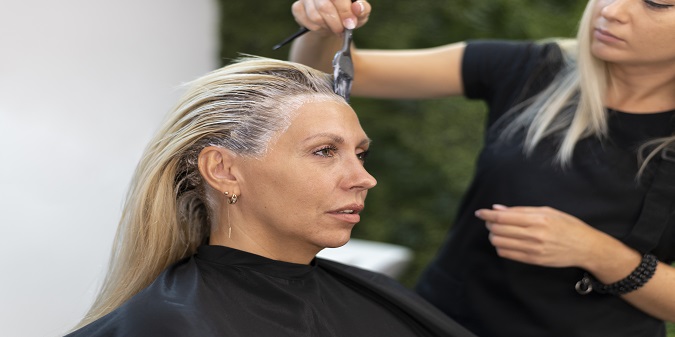
The U.S. hair and beauty business is worth tens of billions of dollars each year. According to the U.S. Census Bureau, hair, nail, and skin care services generated approximately $42.2 billion in employer and nonemployer revenue in 2023.
Behind that number is a simple truth: personal style does not stop mattering at a certain age. Women over 50, 60, and 70 continue to choose hairstyles that reflect their personalities, complement their lifestyles, and help them feel like themselves.
The best haircut is not determined by age alone. Hair texture, density, face shape, maintenance time, and personal preference matter much more. Whether you prefer a pixie cut, a layered bob, shoulder-length waves, natural curls, or long gray hair, the right style is the one that works with the hair you have and the life you live.
What to Consider Before Choosing a Haircut
Before focusing on trends, think about how a haircut will work in your daily life.
Hair Texture
Straight, wavy, curly, and coily hair behave differently. A cut that creates movement in thick, straight hair may not produce the same result in fine curls.
Hair Density
Fine hair describes the diameter of each strand, while thin hair refers to the amount of hair on the scalp. Understanding whether your hair is fine, thinning, or both can help your stylist choose the right shape and layering technique.
Maintenance
Some short hairstyles require frequent trims and daily styling. Longer cuts may need fewer salon visits but take more time to wash, dry, and manage. Be honest about how much effort you want to spend on your hair.
Face-Framing Preferences
You do not have to follow rigid rules based on face shape. Instead, decide which features you would like to highlight. Bangs, layers, volume, and length around the face can all change the overall balance of a haircut.
Your Personal Style
A haircut should feel like you. Bring several reference photos to your stylist, preferably featuring people with hair texture and density similar to yours.
1. The Classic Bob
A classic bob usually falls between the jaw and the shoulders. Its clean shape makes it one of the most versatile haircuts for women over 50.
A chin-length bob can create a defined silhouette, while a slightly longer version offers more styling flexibility. It can be worn sleek, softly curled, or tucked behind the ears.
Best for: Straight, slightly wavy, fine, or medium-density hair
Maintenance: A trim approximately every six to eight weeks helps preserve the shape
2. The Layered Bob
Adding light layers gives a traditional bob more movement. This can be especially useful for thick hair that feels heavy or for wavy hair that needs more shape.
For fine or thinning hair, ask your stylist to avoid excessive layering. Too many short layers can remove density from the ends.
Best for: Wavy, thick, or medium-density hair
Ask your stylist for: Soft internal layers and gentle face-framing pieces
3. The Long Bob
The long bob, often called a lob, usually sits near the shoulders or collarbone. It is a practical choice for women who want a noticeable change without committing to short hair.
A lob can be worn straight, curled, or pulled into a small ponytail. It also provides enough length for simple updos.
Best for: Most hair textures
Maintenance: Lower than many shorter bobs because the shape grows out gracefully
Let Your New Look Start a New Conversation
A visit to the salon is not always about following a trend. People often choose a new haircut before a social event, a trip, a celebration, a first date, or taking new photographs. Sometimes, even a small change can make you feel refreshed and more willing to step into new experiences.
The goal is not to look younger or become someone different. A good haircut should help you feel comfortable, recognizable, and ready to present yourself with confidence.
If you are updating a dating profile, choose a recent photograph taken in clear, natural light. Style your hair in a way that reflects how you normally like to wear it. An authentic photo gives other people a more natural starting point for conversation.
A Fresh Style Can Be the Start of Something New
SeniorMatch helps adults over 50 meet people through shared interests, genuine conversation, and life experience. Whether you are interested in friendship, companionship, dating, or a lasting relationship, you can begin by showing up as yourself.
Meet New People on SeniorMatch4. The Textured Pixie Cut
A pixie cut can look polished, relaxed, bold, or soft depending on how it is shaped. Texture through the top creates movement, while tapered sides and a neat neckline keep the cut defined.
A longer fringe can provide more styling options and soften the transition for someone trying short hair for the first time.
Best for: Fine, straight, wavy, or naturally textured hair
Maintenance: Usually requires frequent trims to retain its shape
5. The Long Pixie
A long pixie keeps more length around the top, crown, and face than a traditional pixie. It offers the ease of short hair without feeling severely cropped.
The additional length can be swept to the side, styled with volume, or allowed to follow the hair’s natural texture.
Best for: Women who want short hair with flexible styling options
Ask your stylist for: A soft neckline, longer top layers, and a fringe that works with your natural growth pattern
6. The Bixie
The bixie combines elements of a bob and a pixie. It is shorter than a bob but has more length and movement than a classic pixie.
This cut can create a light, modern shape without requiring the hair to be extremely short. It works particularly well with soft layers and natural waves.
Best for: Fine-to-medium hair and straight or wavy textures
Maintenance: Moderate, depending on how structured you want the shape to remain
7. The Soft Shag
A soft shag uses layers to create movement around the crown, sides, and ends. Modern versions can be subtle and wearable rather than heavily feathered.
This style can help natural waves and curls form more easily. For fine hair, longer and fewer layers may preserve fullness better than a heavily layered cut.
Best for: Wavy, curly, thick, or medium-density hair
Ask your stylist for: Blended layers rather than sharply disconnected sections
8. Shoulder-Length Hair With Face-Framing Layers
Shoulder-length hair is long enough to style in several ways but short enough to feel manageable.
Face-framing layers can bring movement around the cheekbones and jaw without removing too much length. This is a good option for women over 50, 60, or 70 who enjoy longer hair and do not want to switch to a short cut.
Best for: Straight, wavy, medium, or thick hair
Maintenance: Regular trims can keep the ends looking healthy
9. Long Hair With Soft Layers
There is no age at which a woman must cut her hair short. Long hair can remain flattering and expressive at any age when the cut works with its texture and condition.
Soft, long layers can reduce heaviness and add movement without creating thin-looking ends. Women with fine hair may prefer minimal layering to retain visual density.
Best for: Healthy medium-to-thick hair, waves, curls, and coily textures
Styling options: Loose waves, ponytails, braids, buns, and half-up styles
10. Curtain Bangs
Curtain bangs are longer than traditional straight-across bangs and usually part near the center. They can frame the face while blending naturally into the rest of the haircut.
They work well with bobs, lobs, shags, and longer styles. Because they are longer, they can also be tucked away or swept to the side.
Best for: Straight or wavy hair
Consider: Bangs may require more frequent trims and daily styling than the rest of the haircut
11. Side-Swept Bangs
Side-swept bangs offer a softer alternative to a full fringe. They can bring attention to the eyes and add movement around the face.
This style can be incorporated into pixies, bobs, shoulder-length cuts, or long hair.
Best for: Most hair textures
Ask your stylist for: A length that follows your natural part and can be tucked behind the ear
12. Soft Waves
Soft waves can add movement to short, medium, or long hair. They may be created naturally, with rollers, through braiding, or with a heated styling tool.
If you use heat, select a low or medium setting and apply an appropriate heat-protecting product. The American Academy of Dermatology notes that excessive heat can damage hair.
Best for: Bobs, lobs, shoulder-length cuts, and long hair
Look: Relaxed movement rather than perfectly uniform curls
13. The Curly Crop
A curly crop uses shorter layers to shape natural curls around the head and face. The cut can make curls feel lighter and easier to define while retaining their natural character.
Because curl patterns can shrink differently after drying, look for a stylist experienced with curly or coily hair.
Best for: Curly and coily textures
Ask your stylist about: Whether your hair should be shaped wet, dry, or with a combination of both techniques
14. The Tapered Natural Cut
A tapered cut keeps the sides and back shorter while preserving more volume on top. It is a versatile option for natural curls and coils and can be customized to create either a subtle or bold silhouette.
The longer top can be shaped into curls, twists, coils, or a softly defined texture.
Best for: Curly, coily, and natural hair
Maintenance: The tapered shape may require regular salon visits, while daily styling can remain relatively simple
15. A Polished Gray or Silver Style
Gray and silver hair can look striking in pixies, bobs, curls, waves, and long layered styles. The cut matters more than the color itself.
A defined shape can make naturally gray hair feel intentional and polished. Silver hair can also vary in texture, so choose moisturizing or lightweight products according to your individual hair type.
Best for: Any woman who wants to wear her natural gray
Styling idea: Use shine, movement, and a clear silhouette rather than trying to hide every variation in color
Choosing a Hairstyle for Fine or Thinning Hair
High-interest searches such as “hairstyles for women over 60 with fine hair” show that fullness and manageability are important concerns.
Styles that may help fine hair appear fuller include:
- A blunt bob
- A softly layered pixie
- A collarbone-length lob
- A bixie with crown texture
- Side-swept bangs
- Gentle waves
Avoid assuming that every woman with fine hair needs a short cut. The best length depends on density, texture, growth pattern, and personal preference.
If you notice sudden, patchy, or ongoing hair loss, consider consulting a qualified dermatologist rather than relying only on a haircut or styling product.
Choosing a Low-Maintenance Hairstyle
“Low maintenance” means different things to different people.
A short pixie may dry quickly but require frequent trims. A long bob may need fewer salon appointments but take longer to wash and style. Natural curls may require little heat styling but benefit from a consistent moisture routine.
Before choosing a cut, ask:
- How often will I need a trim?
- Will I need to blow-dry or heat-style it?
- Can I still pull it back?
- What products will I need?
- How will it look when air-dried?
- Does it work with my natural texture?
A practical hairstyle should still look good on an ordinary day—not only after a professional salon appointment.
What to Ask Your Hairstylist
A clear consultation can be more useful than simply showing one photograph.
Tell your stylist:
- How much time you spend styling your hair
- How often you are willing to schedule trims
- Whether you usually air-dry or blow-dry
- Which features you would like to highlight
- Whether your hair has recently changed in texture or density
- Which parts of your current hairstyle are difficult to manage
Bring two or three reference photos and explain what you like about each one. It may be the length, fringe, volume, texture, or overall feeling rather than the complete haircut.
Simple Hair-Care Tips for Mature Hair
Healthy-looking results depend on both the haircut and the way you care for your hair.
The American Academy of Dermatology recommends choosing products made for your hair type and treating wet hair gently. Additional helpful habits include:
- Apply shampoo mainly to the scalp
- Use conditioner after washing
- Detangle gently with an appropriate comb
- Avoid rubbing wet hair roughly with a towel
- Limit excessive heat
- Avoid repeatedly pulling hair into very tight styles
- Give hair time between chemical treatments
- Consult a dermatologist about persistent breakage, thinning, or hair loss
There is no single routine that works for everyone. Fine, straight hair may need lightweight products, while curly, coily, thick, dry, or chemically treated hair may require additional moisture.
Frequently Asked Questions
Should Women Over 60 Have Short Hair?
Only if they want to. Short hair can be practical and stylish, but medium-length and long hairstyles can also look beautiful. Hair texture, density, condition, and lifestyle matter more than age.
What Haircut Can Make Fine Hair Appear Fuller?
Blunt bobs, softly layered pixies, lobs, and cuts with controlled crown texture may create the appearance of greater fullness. Excessive layering can sometimes make the ends look thinner.
What Is the Easiest Hairstyle to Maintain?
A longer pixie, bob, lob, or naturally textured cut may be easy to manage, depending on your hair. Remember that short styles often require more frequent trims.
Can Women Over 70 Wear Long Hair?
Yes. Women can wear long hair at any age. Soft layers, healthy-looking ends, and a shape suited to the hair’s natural texture can help long hair remain manageable.
Is Gray Hair Harder to Care For?
Gray hair may feel different from previously pigmented hair, but individual experiences vary. Choose products according to whether your hair is fine, thick, straight, dry, curly, or chemically treated rather than relying on color alone.
Find the Style That Works for You
The best hairstyles for women over 50, 60, and 70 are not defined by strict age rules.
A flattering haircut should work with your natural texture, fit your routine, and reflect your personality. It might be a textured pixie, a classic bob, shoulder-length waves, natural curls, long layers, or a polished silver style.
Use these ideas as inspiration, talk openly with your hairstylist, and choose the look that makes daily life feel easier and more like your own.