10 U.S. Cities for Singles Over 50: Travel and Social Life
May 30, 2024
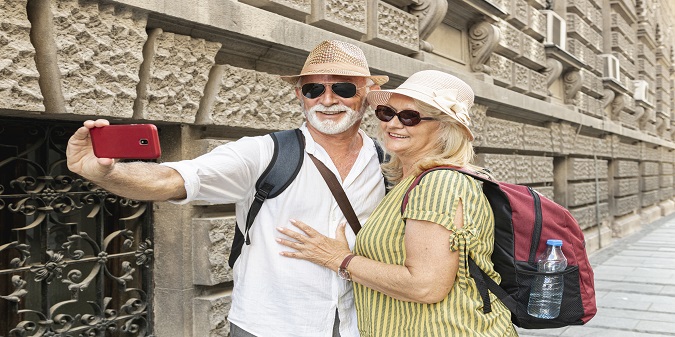
A city can shape a trip in practical ways: how easily you get around, what you can do during the day, where people gather, and whether the experience fits your budget and physical needs.
For adults interested in dating over 50, travel can create opportunities to enjoy shared interests, attend public events, and meet people outside an established social circle. That does not make every trip a search for romance. A worthwhile destination should still offer a rewarding experience when explored independently.
This guide presents 10 U.S. cities with distinct combinations of culture, recreation, transportation, and social activity.
How These Cities Were Selected
This is an editorial travel guide rather than a scientific ranking. Each city was reviewed according to practical factors that can shape the travel experience:
| Factor | What Was Considered |
|---|---|
| Cultural Access | Museums, theaters, music, festivals, historic areas, and public attractions |
| Outdoor Activity | Parks, waterfronts, walking routes, gardens, and nearby natural areas |
| Transportation | Public transit, airport access, walkability, and whether a car may be needed |
| Social Opportunities | Classes, tours, volunteer activities, community events, and interest-based gatherings |
| Practical Comfort | Climate, terrain, accessibility, crowds, and distances between attractions |
| Travel Variety | Options for different interests, budgets, travel styles, and trip lengths |
The cities are presented as different possibilities rather than as a data-based ranking. Their order reflects the editorial organization of this guide, not a claim that one destination is universally better than another.
The right choice will depend on the traveler’s interests, budget, mobility needs, preferred climate, and ideal pace. Local conditions can also vary by neighborhood and season, so current details should be confirmed before booking.
1. Miami, Florida
Miami works well for travelers who want warm weather, waterfront scenery, and a strong Latin American cultural influence. Little Havana, Miami Beach, Wynwood, and the city’s museums offer very different experiences within the same trip.
Music, food tours, art events, and public beaches create natural opportunities to spend time around other people without relying on nightlife alone. Travelers can also use Miami as a starting point for the Florida Keys or Everglades National Park.
Good for: Warm-weather escapes, food, art, beaches, and multicultural events.
Keep in mind: Heat, humidity, storm season, traffic, and hotel prices can affect comfort and cost. Miami Beach and the City of Miami are separate areas, so check travel times before booking.
2. Phoenix, Arizona
Phoenix offers desert landscapes, major museums, golf, botanical attractions, and access to nearby communities such as Scottsdale, Tempe, and Mesa.
The Desert Botanical Garden and Heard Museum provide daytime activities that do not depend on strenuous hiking. Travelers who enjoy the outdoors can explore trails suited to different ability levels, but route difficulty and temperature should be checked in advance.
Good for: Desert scenery, museums, golf, winter sunshine, and regional day trips.
Keep in mind: Summer temperatures can be dangerous. The metropolitan area is spread out, and many destinations are easier to reach by car.
3. Tampa, Florida
Tampa combines a waterfront setting with historic neighborhoods, museums, sporting events, and access to other Gulf Coast destinations.
The Tampa Riverwalk connects several central attractions and gives visitors a defined area to explore. Ybor City offers a different atmosphere centered on history, restaurants, and entertainment. St. Petersburg and Clearwater can be added to a longer regional itinerary.
Good for: Waterfront walks, history, sports, dining, and Gulf Coast day trips.
Keep in mind: The wider Tampa Bay area includes several cities. Transportation time can be longer than expected, especially when crossing the bay or traveling to beaches.
4. Atlanta, Georgia
Atlanta is a practical choice for travelers interested in American history, civil rights, music, food, and major cultural institutions.
The city offers museums, historic neighborhoods, public gardens, and performances throughout the year. Its large airport also makes Atlanta accessible from many parts of the country and convenient for shorter trips.
Good for: History, museums, music, food, and travelers who value direct flight options.
Keep in mind: Attractions are spread across multiple neighborhoods. Public transit serves some areas well, but a car or rideshare may still be necessary for a full itinerary.
5. Las Vegas, Nevada
Las Vegas offers far more than casino floors. Visitors can choose from concerts, theater, restaurants, museums, pool areas, and day trips to desert landscapes.
The Strip concentrates many attractions in one area, while downtown provides a different mix of entertainment and history. Organized tours can make it easier to visit places such as Red Rock Canyon or Hoover Dam without driving.
Good for: Live entertainment, restaurants, short stays, and organized excursions.
Keep in mind: Walking distances on the Strip are longer than they appear. Resort fees, summer heat, crowds, smoke exposure, and noise should be considered when selecting a hotel.
6. Los Angeles, California
Los Angeles is best approached as a collection of neighborhoods rather than one compact destination. Art museums, beaches, film history, music venues, gardens, and international food can support many different itineraries.
A visitor might focus one trip on the coast, another on museums, or another on neighborhoods such as Pasadena, Downtown Los Angeles, or Koreatown. This variety makes the city suitable for repeat visits.
Good for: Art, film, food, beaches, gardens, and travelers who prefer building a themed itinerary.
Keep in mind: Distances and traffic can consume a large part of the day. Group attractions by area instead of crossing the city repeatedly.
7. Houston, Texas
Houston stands out for its museums, performing arts, international food, and major medical and research institutions.
The Museum District makes it possible to visit several cultural attractions within one part of the city. Space Center Houston offers a different type of experience, while the city’s restaurants reflect communities from around the world.
Good for: Museums, science, performing arts, and international dining.
Keep in mind: Houston is geographically large and heavily car-oriented. Heat, humidity, flooding conditions, and travel time between attractions should be included in trip planning.
8. Chicago, Illinois
Chicago combines major cultural attractions with a relatively clear urban layout. Museums, architecture tours, theaters, music venues, parks, and the Lake Michigan waterfront provide options across multiple seasons.
Public transit makes many central neighborhoods accessible without a car. Guided walking, river, food, and architecture tours also create structured ways to explore alongside other visitors.
Good for: Architecture, museums, public transit, music, theater, and lakefront activities.
Keep in mind: Weather changes quickly, and winter conditions can limit outdoor plans. Large festivals and conventions may increase hotel prices.
9. San Francisco, California
San Francisco combines distinctive neighborhoods, waterfront attractions, museums, restaurants, and access to the wider Bay Area. Its compact geography allows visitors to experience several parts of the city during a relatively short trip.
Buses, light rail, streetcars, and regional rail provide alternatives to driving. Travelers can organize a day around the Embarcadero, Golden Gate Park, Chinatown, North Beach, or nearby destinations connected by ferry or train.
Good for: Public transit, food, museums, waterfront scenery, and compact urban exploration.
Keep in mind: Hills can make short distances physically demanding. Lodging, meals, and parking can be expensive, and weather varies considerably by neighborhood.
10. New York City, New York
New York provides an unusually large concentration of museums, theaters, parks, restaurants, tours, lectures, and public events.
Its subway and bus systems allow visitors to explore without renting a car. Travelers can build an entire trip around Broadway, art, history, food, architecture, or one borough rather than trying to see everything at once.
Neighborhood-based planning can make the city more manageable. Choosing activities within the same part of Manhattan—or focusing on Brooklyn, Queens, or another borough for the day—can reduce unnecessary travel.
Good for: Theater, museums, food, public transit, walking tours, and year-round cultural choice.
Keep in mind: Crowds, stairs, noise, walking distances, and high costs can be tiring. Check whether subway stations and lodging entrances have elevators when accessibility is important.
Choose a City That Fits the Trip You Want
A popular destination is not automatically the right destination for every traveler.
Before booking, consider:
- The total trip budget, including local transportation
- Seasonal temperatures and severe-weather risks
- Walking distances and terrain
- Access to elevators, seating, and restrooms
- Proximity to medical care when relevant
- Whether you prefer structured tours or independent exploration
- How much nightlife, quiet time, or outdoor activity you want
- Whether friends or relatives live nearby
Compare neighborhoods as carefully as cities. Two areas within the same destination can differ substantially in cost, transportation, noise, terrain, and access to attractions.
Meeting People While Traveling
Public activities provide a lower-pressure way to interact with others. Consider museum tours, cooking classes, walking groups, lectures, volunteer events, community centers, dance lessons, or performances with social seating.
If you arrange an online introduction while traveling, meet in a public place and keep control of your transportation. Do not share accommodation details, financial information, or an exact daily itinerary with someone you have not met.
SeniorMatch allows members to browse by location and begin conversations before or during a trip. Online contact should be treated as an introduction, not a guarantee of identity, compatibility, safety, or an in-person meeting.
Editorial Disclaimer
This article is an editorial travel guide, not a scientific ranking or professional recommendation. City conditions, transportation, accessibility, prices, events, weather, and neighborhood characteristics may change, so readers should verify current information before traveling or relocating. Inclusion in this guide does not guarantee dating results, compatibility, identity, personal safety, or travel outcomes. The content is not medical, legal, financial, real estate, or relocation advice.