Embracing Love Again: Transitioning from Single to Partnered
Dec 03, 2024
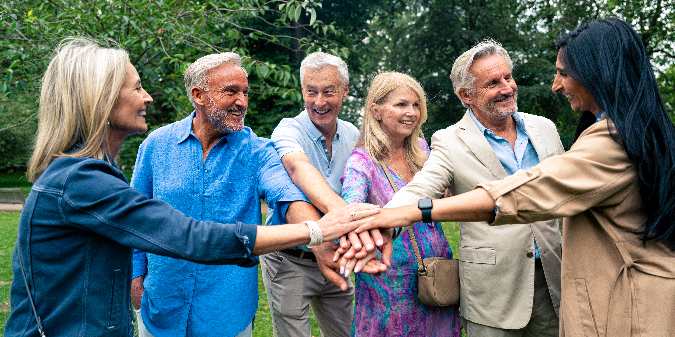
Single life and partner life are fundamentally different, and for seniors in particular, the transition from an independent, autonomous single life to a shared, coordinated partnership requires a certain amount of adjustment and preparation. Whether starting a new relationship through senior dating platforms or offline social events, preparing for the relationship in advance on a psychological, emotional, and practical level can enable seniors to integrate into their new life more comfortably. Below is a discussion of how seniors can prepare for a new relationship from four perspectives: psychological building, self-improvement, practical considerations, and emotional adjustment.
Mental Construction: Getting Rid of the Past and Embracing New Life
1. Accept the Significance of Single Life: Being single does not mean being alone, but rather an independent way of life. Before starting a new relationship, older people need to have a deep understanding of their single status and realize that the independence and freedom of being single are invaluable. A new relationship is not an “escape from loneliness” but a way to create something new and beautiful with another person.
2. Deal with the Emotional Legacy of the Past: Whether they have lost a partner or gone through a divorce, many older adults may carry emotional baggage from past relationships. Before entering a new relationship, it is advisable to take time to sort through these emotions: let go of attachments or regrets about the past and avoid letting them interfere with the new relationship.
3. Adjust Your Expectations of Love: While young love may be passionate, older relationships are more peaceful, accepting, and supportive. Adjusting your expectations and understanding the characteristics of love in the mature stage can reduce feelings of loss and unnecessary anxiety.
Self-improvement: Be a Better You
1. Focus on Health and Appearance: Health is the foundation of a happy life, and it is important to be in good physical condition, both for yourself and for your partner. At the same time, taking care of your appearance can boost your self-confidence and make it easier to attract a like-minded partner.
2. Cultivate Interests and Hobbies: Having hobbies not only enriches your life but also brings more common topics for your new relationship. For example, getting involved in community activities, learning new skills, or developing an artistic hobby can make you more attractive.
3. Increase Emotional Intelligence: Building deep relationships with others requires empathy, communication skills, and the ability to manage emotions. Reading psychology books, and attending relevant lectures or discussion groups can help you better understand yourself and others in relationships.
Realistic Considerations: Building a Stable Foundation
1. Clarify Your Needs and Bottom Line: Before entering a new relationship, ask yourself: What do you want the relationship to accomplish? For example, is it about finding a long-term partner or enjoying each other's company? At the same time, clarifying your bottom line, such as basic requirements for time, finances, or lifestyle, can avoid future conflicts.
2. Communicate Habits and Realities: In a single life, personal habits usually do not need to be harmonized with others, but a partnership requires certain compromises. For example, is there a willingness to adjust work schedules? Does the living space need to be rearranged? Understanding the habits of both partners in advance can help build a more harmonious relationship.
3. Consideration of Financial and Legal Issues: Financial and property issues can be a sensitive but important topic for an older person entering a new relationship. Is it necessary to sign an agreement to protect the rights of both parties? Is there a clear understanding of each other's financial situation? These practical issues must be communicated and dealt with in the early stages of the relationship to avoid misunderstandings or conflicts.
Emotional Adjustment: Taking the First Step Toward Trust and Openness
1. Learn to Trust and Depend on Each Other: In a single life, older people may have become accustomed to a lifestyle of complete autonomy. However, partnership means that one needs to learn to trust and rely on the other person again. Trust is the cornerstone of emotions, and taking the first step to believing in the other person's good intentions and abilities can pave the way for a relationship.
2. Keep an Open Mind: Everyone has their lifestyles and backgrounds, and differences can be more pronounced, especially in older age. Accept each other's differences with an open mind and see them as opportunities for growth rather than obstacles.
3. Build Relationships As Equals: Older people's relationships are often not based on the traditional “division of roles” but on a more equal and supportive model of relationships. Both partners should be involved in decisions and share responsibilities, and one partner should not be overly dependent or controlling.
Energize a New Life: Growing and Exploring Together
A new relationship is not just about two people bonding, it's a journey of growth and exploration together.
1. Set Common Goals: Planning a trip together, learning a new skill, or getting involved in a community activity are common goals that can increase your sense of connection and create more shared memories.
2. Create Rituals: Small rituals in daily life, such as a regular date time or a special weekly event, can energize a relationship.
3. Be Tolerant of Challenges: A new relationship is not always smooth sailing, so when you encounter conflicts, you may want to be tolerant and solve them instead of avoiding them or rushing to give up. This kind of tolerance and understanding can make a relationship stronger.